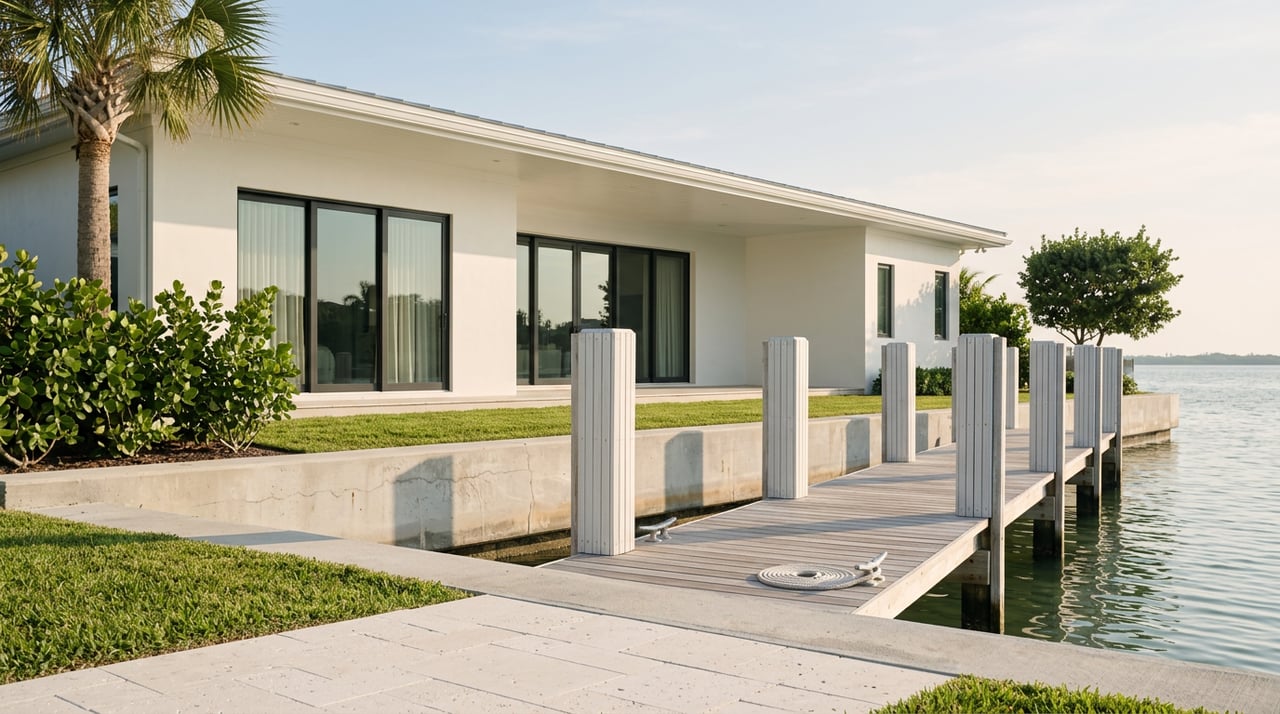
Trying to decide between a lock-and-leave condo in downtown Sarasota and a private waterfront home a few minutes away on Bird Key? You are not alone. Many buyers weigh walkability and ease against boat ownership and backyard space. This guide lays out the tradeoffs, costs, and local checkpoints so you can choose with confidence. Let’s dive in.
How to choose in 34236
The core tradeoff is simple. Downtown high-rise condos give you low maintenance, strong walkability, and on-site amenities. Bird Key and nearby waterfront homes offer private docks, more space, and direct access to the bay, with higher maintenance and insurance responsibilities.
Price points reflect that divide. As of early 2026, publicly aggregated sites show 34236’s median home values generally in the 1.0 to 1.35 million dollar range, while Bird Key’s typical home values often land in the multi-million dollar band, with many sales above 3 to 4 million dollars depending on bayfront, canal, or interior location. Exact numbers shift with the market, so use these as ranges and confirm current figures before you write an offer.
Downtown condo living: Who it fits
If you value walkability, building services, and predictable monthly costs over a private yard, a downtown condo likely fits your lifestyle. Central 34236 blocks often post strong walkability scores for 34236, and many towers sit within a short stroll of restaurants, parks, and the bayfront. Daily errands can feel easier when you can leave the car in the garage.
Daily life and conveniences
Downtown puts you close to Bayfront Park, performing arts, the farmers’ market, and waterfront promenades. Many buildings include pools, fitness centers, secure parking, and concierge or on-site management. You will find yourself minutes from venues and green spaces highlighted in local guides to cultural venues and waterfront promenades.
Costs to budget for in a condo
Monthly HOA dues vary by building age, amenities, and reserves. In full-service downtown towers, published examples show dues that often range from about 900 to 3,000 dollars per month or more. Association master policies usually cover the structure and common areas, while you carry an HO-6 policy for interiors and contents, plus separate flood insurance if required by your lender. Ask for exact dues, coverage summaries, and reserve studies from the association.
Smart condo due diligence
Before you write an offer, review the HOA budget, reserve study, and recent meeting minutes for any history of special assessments. Confirm what the master policy covers and what is your responsibility. Check parking assignments, guest parking rules, and any restrictions on rentals that might affect future flexibility. Strong reserves and clear policies can make ownership more predictable.
Waterfront home on Bird Key: Who it fits
If you want a private dock, outdoor living space, and room for guests, Bird Key is compelling. The island’s deep-water bayfront and canal lots allow many owners to keep boats at home. Location is a major perk. The Ringling Bridge has a fixed span of about 65 feet, and there are no fixed low bridges between downtown, Bird Key, and the Gulf, which simplifies access for appropriately sized vessels.
Boating advantages and options
Bird Key homes often support lifts, docks, and slips sized for larger pleasure craft. Depth and turning radii vary by canal and lot, so verify conditions and any dredging history during inspections. If you prefer a condo lifestyle but still want your boat nearby, consider slip or mooring options at Marina Jack downtown for seasonal or annual docking.
Costs to budget for in a waterfront home
Waterfront ownership brings meaningful ongoing and capital costs. You will want line items for homeowners insurance, separate flood insurance, landscaping, pool care if applicable, and utilities for a larger footprint. Marine items can be significant. Seawall or bulkhead repairs, dock and lift maintenance, and potential canal dredging are site specific, and replacements can reach the low to mid thousands of dollars per linear foot depending on materials and access. Bird Key has a homeowners association with community standards and dues, but owners remain responsible for private seawalls, docks, and lifts.
Permits, risk, and inspections
Start with flood risk. Sarasota County’s updated FIRMs took effect on March 27, 2024. Use the Sarasota County flood maps and request an Elevation Certificate to understand a property’s zone and base flood elevation. Review the substantial improvement, or 50 percent, rule. Renovations that exceed 50 percent of a home’s value can trigger elevation and code upgrades under floodplain rules. County resources outline flood‑resistant construction and permitting.
For docks, seawalls, and any dredging, confirm permit history and whether expansions are allowed. Scope may involve county approvals and, at times, state or federal review. Florida’s state statutes governing docks and submerged lands provide the framework for what can be built or modified in coastal zones.
What about a hybrid plan?
Many buyers choose a downtown condo and secure a slip or mooring nearby. This approach blends walkable, low‑maintenance living with easy boating, often at a lower total cost than owning and maintaining a private dock and seawall. Compare slip or mooring rates at Marina Jack downtown with the projected marine maintenance you would carry at a single-family waterfront property.
Quick decision guide
Use these short checklists to stress-test your choice:
Downtown condo checklist
- Priorities: walkability, cultural life, on-site amenities, simplified maintenance.
- Must-check: HOA reserves and budget, special assessment history, master insurance coverages, parking assignments and guest parking, any rental restrictions.
- Budget: HOA dues, interior HO-6 policy, contents coverage, flood insurance if required, utilities, possible assessments.
Waterfront home checklist
- Priorities: private dock or lift, boat depth and access, outdoor space, privacy.
- Must-check: seawall condition and toe scour, dock permits and recorded easements, channel dredging or shoaling history, flood zone and Elevation Certificate, insurance quotes, HOA or yacht club dues if any.
- Budget: homeowners, wind, and flood insurance; landscaping; pool; marine capital reserves for seawall, dock, and lift.
Budget and financing snapshots
Insurance differs by property type and location. Florida’s coastal insurance market remains dynamic, and premiums vary by carrier and parcel. Condo owners typically rely on the building’s master policy plus an HO-6 and flood coverage if the lender requires it. Single-family waterfront owners carry broader homeowners policies, separate flood insurance, and may see higher wind and hurricane premiums.
For financing, lenders usually require flood insurance on loans in Special Flood Hazard Areas, and condos may face additional underwriting tied to reserve strength and any litigation exposure. Start lender conversations early, and be ready to provide association documents and flood zone details. Sarasota County’s resources on building permits and flood‑resistant standards can help you assemble the right paperwork.
Risk planning and long-term outlook
Your time horizon matters. For a longer hold, add a margin for sea-level and high-tide nuisance flooding scenarios in your budget. The NOAA Sea Level Rise Viewer is a helpful planning tool to visualize potential inundation over time. It is not a substitute for site-specific engineering, but it can guide conversations about elevation, flood vents, and long-term resilience.
Local next steps and resources
- Pin down flood and elevation data using the Sarasota County flood maps, then request an Elevation Certificate.
- If waterfront is in play, schedule a marine inspection to evaluate the seawall, dock, and lift, and pull permit history for any prior dredging or dock work.
- Gather live insurance quotes for homeowners, wind, and flood. Markets change, so verify availability and rates for the specific property.
- For condos, request HOA financials, reserve studies, meeting minutes, litigation disclosures, and the master policy.
- If you prefer a condo but want boating, compare slip or mooring options at Marina Jack downtown to the cost of owning a private dock.
Ready to compare real homes and numbers side by side? Let’s talk through your lifestyle goals, boating plans, and budget so you can move forward with clarity. Reach out to Michelle Silva for curated listings, neighborhood tours, and a calm, concierge path to your ideal Sarasota home.
FAQs
Is downtown Sarasota walkable for daily errands?
- Many central 34236 blocks score in the Very Walkable to Walker’s Paradise range, according to walkability scores for 34236, which supports car-light living near shops, dining, parks, and arts venues.
How do Bird Key boaters access the Gulf of Mexico?
- Bird Key sits just past the Ringling Bridge, which has about 65 feet of fixed clearance with no low fixed bridges between downtown and the Gulf, easing access for many vessels; see FL-789 bridge details.
What permits do I need to modify a dock or seawall in Sarasota?
- Waterfront work often involves county permits and may require state or federal approvals depending on scope; start with county guidance and review state statutes on submerged lands and water resources.
How do I check a property’s flood zone and elevation in 34236?
- Use the updated Sarasota County flood maps and request an Elevation Certificate to understand flood zone designations and base flood elevations for a specific parcel.
What is the 50 percent rule for older waterfront homes?
- If renovation costs exceed 50 percent of the structure’s value, local floodplain rules can trigger elevation or code upgrades; review county resources on flood‑resistant construction and permitting before planning major work.