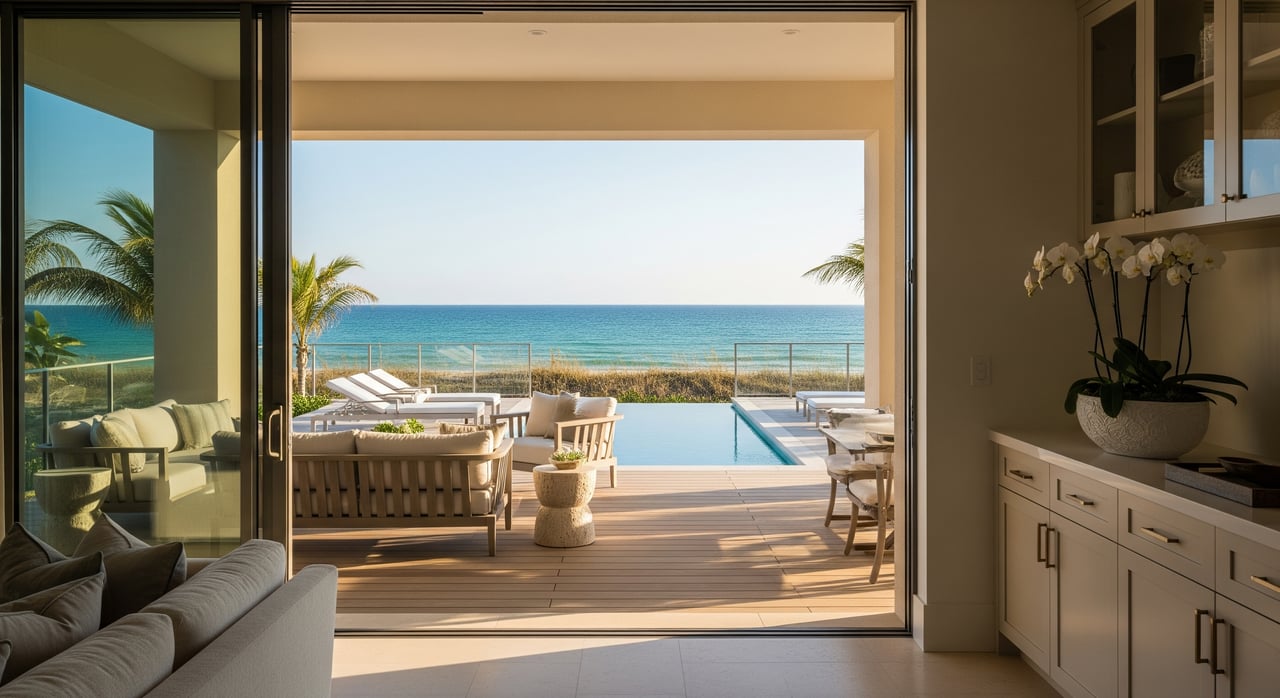
Shopping for a Gulf-front condo on Longboat Key and running into confusing terms like condo-hotel or resort-managed building? You are not alone. Many buyers discover late in the process that the type of condo they choose can change financing, insurance, and even how often they can use the unit.
This guide breaks down the most common ownership types you will see in ZIP 34228, how lenders treat each one, and what to review before you make an offer. You will learn how to match your goals with the right building and avoid underwriting surprises that derail closings.
Let’s dive in.
Condo types on Longboat Key
Traditional condominium basics
A traditional residential condominium gives you fee-simple ownership of your unit plus an undivided interest in common elements. A condo association, elected by owners, sets rules, budgets, reserves, and leasing policies under Florida’s Condominium Act (Chapter 718). Use is primarily residential. Some buildings allow leasing, but the length and frequency depend on the association’s documents and town rules.
What it means for you: This model is typically the most straightforward for everyday use and long-term ownership. It often offers the smoothest path to conventional financing if the association’s financials and governance meet lender standards.
Resort-managed condos
A resort-managed condominium looks like a traditional condo on paper, but the association contracts with a management company to handle rentals and hospitality-style services. Features can include optional rental programs, onsite reservations, concierge, or housekeeping. Some developments may require owners to join a rental pool with defined revenue splits or usage calendars.
What it means for you: This can be attractive if you want rental support and amenities. It also adds complexity. Lenders will look closely at whether rental participation is mandatory, how much commercial activity exists, and the overall owner-occupancy profile.
Condo-hotel explained
A condo-hotel functions like a hotel with individually owned units. A hotel operator manages bookings, housekeeping, and guest services. Units are commonly rented nightly and often tied to mandatory rental management agreements or master contracts. Common areas can be treated as commercial space.
What it means for you: Condo-hotels typically face much tighter financing options because secondary-market programs often treat them as commercial hotel operations. Expect nonstandard lending and larger down payments in many cases.
Other forms to note
- Timeshares or interval ownership involve fractional use rather than full ownership and follow different lending rules.
- Leasehold condos sit on land controlled by a long-term ground lease, which can complicate financing and resale.
- Mixed-use buildings with significant retail or hotel space can face added lender scrutiny depending on the commercial percentage.
Why type affects financing
Warrantable vs non-warrantable
Condo lending hinges on “warrantability,” which is whether a project meets standards used by major mortgage programs. Lenders evaluate owner-occupancy levels, single-entity ownership concentration, commercial space, reserve funding, association delinquency, pending litigation, and overall project health. When a project checks the boxes, conventional financing is usually more available and affordable. When it does not, financing options narrow.
How lenders view each model
- Traditional residential condos are most likely to be eligible for conventional programs if the association is financially sound and well-governed. FHA and VA can be options when the project is approved.
- Resort-managed condos may still qualify for conventional financing, but mandatory rental pools, heavy short-term rental activity, or sizeable commercial components can trigger additional review. Lender overlays vary.
- Condo-hotels are often treated as non-warrantable by conventional programs and are frequently ineligible for FHA and VA. Buyers typically use portfolio lenders or specialized loan products with larger down payments and different terms.
Program specifics to keep in mind
- Conventional programs review the condo project’s financials, occupancy, reserves, and legal status. Different lenders interpret criteria differently.
- FHA and VA rely on project-level approval. Buildings with hotel-like operations or significant transient rentals rarely qualify.
- Portfolio lenders may offer flexible options for non-warrantable projects, but rates, fees, and equity requirements are usually higher.
Common financing surprises
- A building marketed as a condo can still be ineligible for FHA or VA if it has a mandatory rental program or hotel-style operator agreements.
- If a single owner or developer controls too many units, some programs will not approve loans until ownership is more distributed.
- Active litigation, inadequate reserves, or high delinquency can delay or prevent loan approval.
Local rules and insurance in 34228
Town rental rules and licensing
Longboat Key sets local rules for short-term rentals and licensing. Associations can enforce stricter policies than the town. Some buildings cap the number of rentals per year or set minimum lease periods. Before you buy, confirm the association’s rental rules and any town registration or tax remittance requirements. This is especially important if you plan to rent seasonally or short term.
Flood and wind insurance
Most Gulf-front properties sit in FEMA flood zones, commonly V or AE. If you use a federally regulated mortgage, flood insurance is required. Premiums depend on the building’s elevation, flood zone, and how the association insures the property. Wind and hurricane coverage is a major factor on the coast. Ask for the association’s master policy, recent premium history, windstorm deductibles, and coverage limits. Your individual HO-6 policy, combined with the master policy, should cover interior finishes and personal property.
Coastal permitting and rebuild considerations
Gulf-front structures may require specialized permits for repairs and improvements. Seawall work, dune protection, and structural changes can involve state and town approvals. Elevation standards and building codes affect insurance and potential rebuild costs. Confirm what permits are in place, what projects are planned, and whether assessments are expected.
Association management and contracts
For resort-managed buildings and condo-hotels, review management agreements for contract length, termination rights, revenue sharing, and owner-use rules. Mandatory rental pools can limit how and when you use or market your unit. Long-term, exclusive agreements can reduce owner control and influence lender decisions.
How to vet a building
Request these documents early
- Declaration of Condominium, Bylaws, Articles, and Rules
- Current budget, year-to-date financials, prior year financials, and the latest reserve study
- Board meeting minutes for the past 12 to 24 months
- Master insurance certificates, including windstorm deductibles and coverage limits
- Property and hotel management agreements, including any master leases
- Rental program terms, commission structure, and historical rental statements
- Litigation disclosures and summaries of any claims
- Owner-occupancy data and rental statistics
- Single-entity ownership disclosures
- Flood zone status, elevation certificate, and any prior flood claims information
- Engineering and inspection reports, especially for older coastal buildings
Ask these questions
- Is there a mandatory rental program or master lease? If yes, what are the terms and how long do they run?
- What percentage of units are owner-occupied? How many are in short-term rental use?
- Does any single owner or entity control a large share of units?
- Are there current or threatened lawsuits involving the association or developer?
- What is the delinquency rate on condo dues? Are special assessments planned or pending?
- Is the project approved for FHA or VA? Which loan types are most common for recent sales?
- How are insurance claims handled and what are recent premium trends on the master policy?
- What town licensing or permits are required for rentals on Longboat Key?
Steps to avoid underwriting surprises
- Speak with a lender who regularly finances Florida coastal condos before you submit an offer. Ask them to review project eligibility early.
- Obtain the association packet promptly and have your lender or condo specialist scan for red flags such as pending litigation, low reserves, or high investor concentration.
- Confirm flood zone and get an elevation certificate if needed. Compare NFIP and private flood options through your insurance professional.
- For resort-managed or condo-hotel properties, confirm owner-use dates, rental obligations, and the revenue split in writing.
- Build a local team that understands Gulf-front buildings. A condo-savvy attorney, a coastal insurance agent, and a lender with condo project experience can save time and money.
Match your goals to the right type
Best for frequent personal use
If you want a place you can use whenever you like with minimal restrictions, a traditional condominium that favors owner occupancy is often the best match. You will still need to confirm leasing limits if you plan to rent occasionally.
Best for hands-off rental support
If you value rental income and want professional management but still want full ownership, a resort-managed condo with optional rental participation can work well. Make sure mandatory requirements are clear and that returns align with your expectations.
Best for nightly rental focus
If maximizing short-term rental nights is your priority and you are comfortable with nonstandard financing, a condo-hotel may fit. Expect a hotel-like experience, operator revenue splits, and lender requirements that differ from typical residential loans.
What it is like in ZIP 34228
Longboat Key sits across Manatee and Sarasota counties. ZIP 34228 is on the Manatee County side, and the Town of Longboat Key sets local rules for rentals, licensing, and coastal construction. Buildings vary widely. Some Gulf-front associations are primarily residential with longer minimum lease periods. Others welcome frequent short-term rentals and have active rental desks. Insurance costs reflect flood and wind exposure, and older coastal properties may be working through capital projects such as roofs, balconies, or concrete restoration.
The bottom line: two buildings that look similar from the beach can be very different to a lender. Clarify the ownership and operating model at the start, then let your financing strategy and insurance planning follow.
Work with a local team
Buying a condo on Longboat Key is about lifestyle and logistics. You deserve reliable guidance that blends both. Our team pairs neighborhood insight with data-driven pricing, curated property tours, and concierge-level coordination with lenders, attorneys, and insurance pros. Whether you are moving full-time, buying a second home, or focusing on rental income, you will have a clear plan from offer to closing.
Ready to find the right building for your goals in 34228? Connect with Michelle Silva to start a focused search and request our Sarasota Relocation Guide.
FAQs
What is the difference between a condo-hotel and a resort-managed condo on Longboat Key?
- A condo-hotel operates like a hotel with nightly rentals and a hotel operator, while a resort-managed condo is a standard condo that may offer optional rental programs and hospitality services without full hotel operations.
Can I use FHA or VA financing for a condo-hotel unit in 34228?
- Typically no, because condo-hotels usually do not meet FHA or VA project approval requirements, and exceptions are rare.
Why do lenders ask about owner-occupancy and single-entity ownership?
- High investor concentration or one owner controlling many units can increase risk for lenders and may make a project ineligible for some programs.
How do Longboat Key rental rules affect my condo purchase?
- Town rules and association policies govern lease length, frequency, and licensing, which affects your personal use, rental plans, and financing options.
What insurance documents should I request before buying a Gulf-front condo?
- Ask for the association’s master policy, windstorm deductibles, flood insurance details, and recent premium history, then review how your HO-6 policy fills coverage gaps.
What documents help me avoid financing delays on Longboat Key condos?
- The declaration, bylaws, budget, reserve study, minutes, insurance certificates, litigation disclosures, management agreements, rental terms, and occupancy statistics give lenders what they need to assess eligibility.