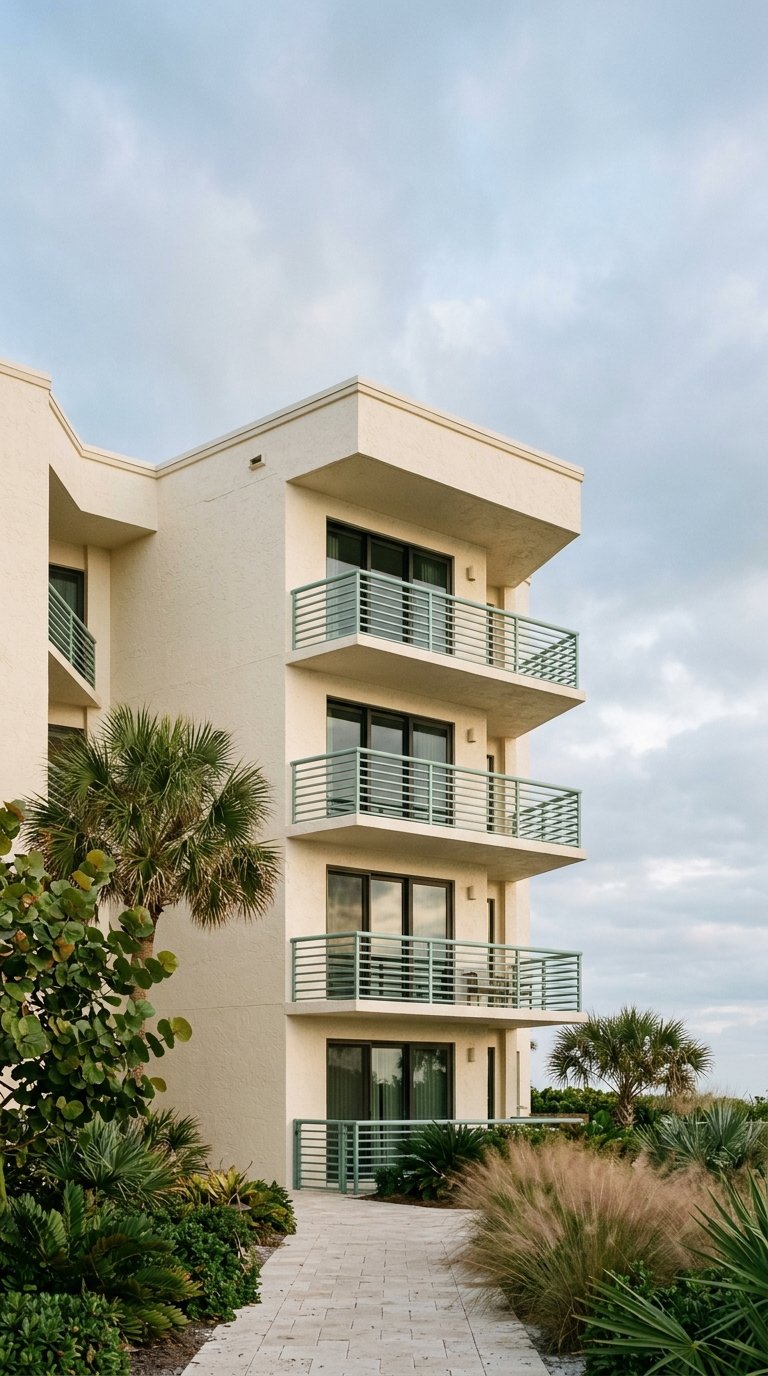
Thinking about buying on Siesta Key and renting the property part of the year? That plan can look simple from the outside, but rental rules on Siesta Key can change quickly from one address to the next. If you want a home, condo, or investment property that truly fits your goals, you need to verify the rules before you fall in love with the view. Let’s dive in.
Why rental rules matter first
On Siesta Key, rental potential is not something you can assume based on location, price, or how a property has been marketed. A beach-area home may look like a perfect vacation rental, but zoning and community rules can tell a very different story.
That is why rental rules should be one of your first filters, not one of your last checks. If you are buying with any plan to lease the property, even occasionally, your decision needs to start with what is legally allowed.
Start with zoning on Siesta Key
Sarasota County says zoning is the baseline for rental use. In the county’s current rental guide, RSF and certain listed non-barrier-island districts require lease terms of at least 30 days and do not allow short-term rental use.
By contrast, RMF property on the barrier islands, including Siesta Key, may be leased for less than 30 days. That distinction matters because two properties that appear similar online can have very different rental options once zoning is confirmed.
Short-term rental rules vary by district
The key takeaway is simple: you need the parcel’s exact zoning classification before you make assumptions about income potential or flexibility. A property’s photos, amenities, and past use do not replace written confirmation.
Sarasota County also states that bed-and-breakfast use is prohibited in the Siesta Key Overlay District. So if your plans go beyond standard leasing, you need to be especially careful about what the local rules permit.
Confirm the exact jurisdiction
Another smart step is confirming whether the property is in unincorporated Sarasota County or whether another jurisdiction applies. That may sound like a small detail, but it affects which rules you need to review.
If an address seems unclear or borderline, Sarasota County points buyers to 311 or the county zoning contact for questions. In practice, that means you should get clarity early, before offer terms or closing timelines add pressure.
Condo and HOA rules can be stricter
Even when zoning allows short-term leasing, the association may limit or block rentals. This is one of the biggest surprises for out-of-area buyers who assume county rules are the whole story.
On Siesta Key, many buyers focus on condos and attached communities. In those cases, the declaration, bylaws, rules, and amendments can matter just as much as zoning.
Condo documents deserve close review
Florida condo law requires sellers to provide buyers with current governing documents and financial information before closing. That package can include the declaration, articles, bylaws, rules, financials, and when applicable, milestone inspection and structural integrity reserve study information.
The law also requires disclosure of covenants and restrictions affecting use. For you as a buyer, that means rental rules should be confirmed from the actual documents, not from a listing description or a verbal summary.
HOA restrictions may apply to all owners
Florida law also allows HOA amendments that regulate leases under six months and cap rentals at more than three times per calendar year. Those HOA amendments apply to all parcel owners.
That makes it possible for a county-legal rental property to become far less flexible in practice. If the community has approval requirements, rental caps, waiting periods, or owner-occupancy rules, those details can directly affect your plans.
Condo amendment timing matters
For condos, Florida law says an amendment that prohibits renting or changes rental term or frequency generally applies only to owners who consented to the change or who bought after it took effect. That timing can matter when you are reviewing the history of a building’s rental rules.
This is one reason current amendments should always be requested in writing. A quick conversation with a seller or association manager is not enough when the rental strategy is central to your purchase.
The questions to ask before touring
If rental flexibility is important, it helps to ask focused questions before you spend time touring properties. That can save you from chasing homes or condos that will not work for your goals.
Here are some of the most useful questions to ask early:
- What is the parcel’s exact zoning classification?
- Is the property governed by a condo association or an HOA?
- What is the shortest legal lease term allowed by both zoning and the association?
- Are rentals capped by number per year?
- Are there approval requirements, waiting periods, or owner-occupancy rules?
- Are there any grandfather clauses or recent amendments?
- Can the seller provide the current declaration, bylaws, rules, and amendments in writing?
- Are there county registration steps, state license steps, or both?
- What are the parking, occupancy, pet, and guest rules?
- Can the property be rented immediately after closing, or is there a seasoning period?
These questions help you move from broad interest to real due diligence. They also make it easier to compare two properties that may seem similar but operate very differently as rentals.
Taxes and licensing can affect the numbers
Rental viability is not just about whether you are allowed to rent. It is also about what happens after closing, when taxes, licensing, and operations become your responsibility.
If you are building a budget for a Siesta Key rental property, these costs and steps need to be part of the picture from day one.
Tourist tax and state sales tax
Sarasota County says rentals of six months or less are subject to a 6% tourist development tax plus 7% state sales tax. The person receiving the rent is responsible for remitting those taxes.
The county also says the tax applies to related charges such as cleaning, pet, utility, and damage fees. Returns are due by the 20th of the following month, and seasonal rentals should be set up with the tax office in advance.
Platform collection may not cover everything
Some buyers assume a booking platform handles all tax collection automatically. Sarasota County notes that platforms such as Airbnb or HomeAway may remit tourist tax automatically only in certain exclusive-platform situations.
If the property is listed elsewhere or rented privately, the owner may still remain responsible. That is an important detail if you are planning a mix of direct bookings and platform exposure.
Florida vacation rental licensing
Florida also licenses vacation rentals through DBPR. The state application materials show that applicants need a DBPR online account to manage unit addresses, and they can designate the operation as seasonal.
That means your setup may involve more than simply listing the property after closing. Depending on the property and your plans, there may be both county and state steps to complete.
Property tax implications to discuss early
Sarasota County also flags possible homestead exemption loss and tangible personal property tax issues for rental owners. Those issues may not apply the same way to every buyer, but they are important enough to raise early when you are evaluating ownership costs.
If rental use is part of your plan, you should understand how that use could affect the property beyond monthly income and expenses.
Seasonality shapes expectations
Siesta Key has a strong lifestyle pull, but demand is not flat throughout the year. Visit Sarasota County describes January through April as peak season, when beaches are busiest and events are active.
The county also describes the period after the Fourth of July through the end of September as a value window with less congestion and fewer crowds. For buyers, that points to a market rhythm that may influence booking patterns and pricing expectations.
Peak season is not a guarantee
It is reasonable to view winter and early spring as the period with the strongest demand, while summer and early fall may be more price-sensitive. Still, that is not a guarantee of occupancy or rental rate.
If you are buying with income in mind, it helps to underwrite conservatively. A realistic plan should account for slower stretches, local rules, taxes, and association limits, not just peak-season potential.
A smart buying process for rental-minded buyers
When you buy on Siesta Key, the best rental decisions usually come from a paper-trail approach. That means confirming what is allowed through zoning records, association documents, and current written disclosures before you commit.
It also means comparing the full picture, not just the property itself. A beautiful unit with tight rental restrictions may fit your lifestyle well, while a less obvious option may offer more usable flexibility.
Focus on written proof
If you remember one principle from this guide, make it this one: verify every rental rule in writing. Florida condo buyers are entitled to governing documents and disclosure materials before closing, and those documents should guide your decision.
When rental strategy matters, memory is not enough. Written rules help you avoid costly surprises after the keys are in your hand.
Buy for your real goal
Some buyers want a second home they may rent occasionally. Others want a property that can support more frequent leasing. Those are different goals, and they may point to different types of homes, condos, communities, and zoning categories.
The clearer you are upfront, the easier it is to narrow your search to properties that truly match your plan. That saves time and helps you buy with confidence.
If you are weighing a Siesta Key condo, beachfront property, or vacation-use home, a careful review of zoning, association rules, taxes, and licensing steps can make all the difference. For thoughtful local guidance and a concierge-style buying experience, connect with Michelle Silva.
FAQs
What zoning should I check for a Siesta Key rental property?
- You should confirm the parcel’s exact zoning classification first, because Sarasota County says zoning determines the baseline rental use and whether shorter lease terms may be allowed.
Can a Siesta Key condo ban rentals even if county zoning allows them?
- Yes. Condo and HOA documents can narrow or eliminate rental flexibility even when county zoning would otherwise allow the rental use.
What taxes apply to short-term rentals on Siesta Key?
- Sarasota County says rentals of six months or less are subject to a 6% tourist development tax plus 7% state sales tax, and related fees may also be taxable.
Do Siesta Key vacation rentals need a Florida license?
- Florida licenses vacation rentals through DBPR, and the application materials show that owners need a DBPR online account to manage unit addresses.
When is peak rental season on Siesta Key?
- Visit Sarasota County describes January through April as peak season, while the period after the Fourth of July through the end of September is described as a value window with less congestion and fewer crowds.
What documents should I request before buying a Siesta Key condo for rental use?
- You should request the current declaration, articles, bylaws, rules, amendments, financials, and any applicable inspection or reserve study information so you can confirm rental restrictions in writing.