Heard a Sarasota listing say “West of Trail” and wondered what it actually means? You are not alone. It’s local shorthand that can be confusing when you are trying to compare neighborhoods and plan tours. In this guide, you’ll learn how agents use the term, how to map it, what lifestyle and housing to expect, and the due diligence that helps you buy with confidence. Let’s dive in.
What “West of Trail” means
In Sarasota real estate, “the Trail” is a common reference line agents use to orient buyers. Depending on context, it can mean U.S. 41, also known as Tamiami Trail, or a named multi-use trail corridor. Because usage varies by listing, always confirm with the listing agent which physical line they mean.
In downtown-area listings, “West of Trail” usually describes the side of the city closer to Sarasota Bay, bayfront parks, and marinas. Think of it as a quick descriptor of proximity to the water and downtown amenities, not a legal boundary. Sellers and agents use it to signal walkability, access to dining and culture, and a shorter drive to downtown offices.
How to map it
“West of Trail” is descriptive, not official. Boundaries shift by listing and agent, so build a simple mental map and verify with an actual map.
- Picture the major north-south arterial used as “the Trail.” In many conversations near downtown, that is U.S. 41.
- Now look at the block or band of blocks between that road and the waterfront. Those are the areas many agents mean when they say “West of Trail.”
- For an accurate view, match the listing’s map to a digital map and highlight the properties on the bay side of the referenced road. If you want extra precision, view the parcel in County GIS or the Property Appraiser.
Neighborhood types you may see
Agents include different sub-areas in “West of Trail,” so always verify on a map. Common types include:
- Downtown core condos and lofts. Mid-rise and high-rise buildings with short walks to restaurants, theaters, and offices.
- Historic and older neighborhoods close to downtown. Smaller lots with bungalows or mid-century homes, often with bike or foot access to downtown.
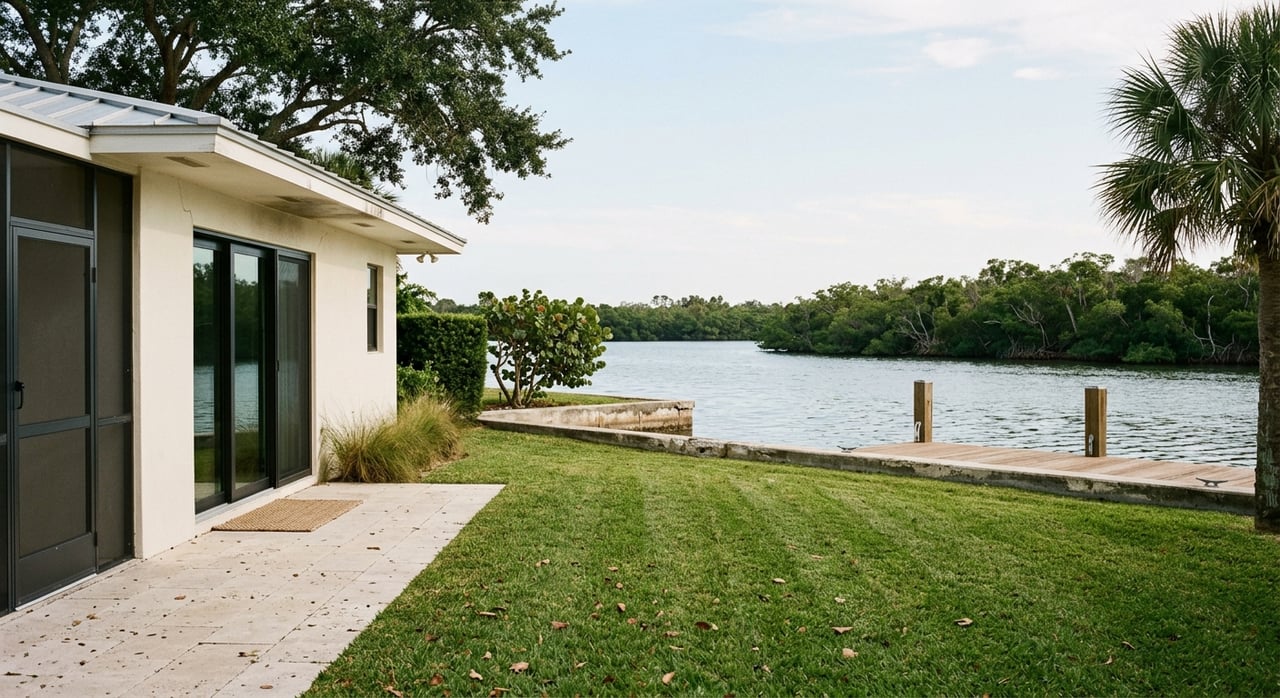
- Bayfront peninsulas and small enclaves. Homes or condos with water views or near marinas, parks, and waterfront promenades.
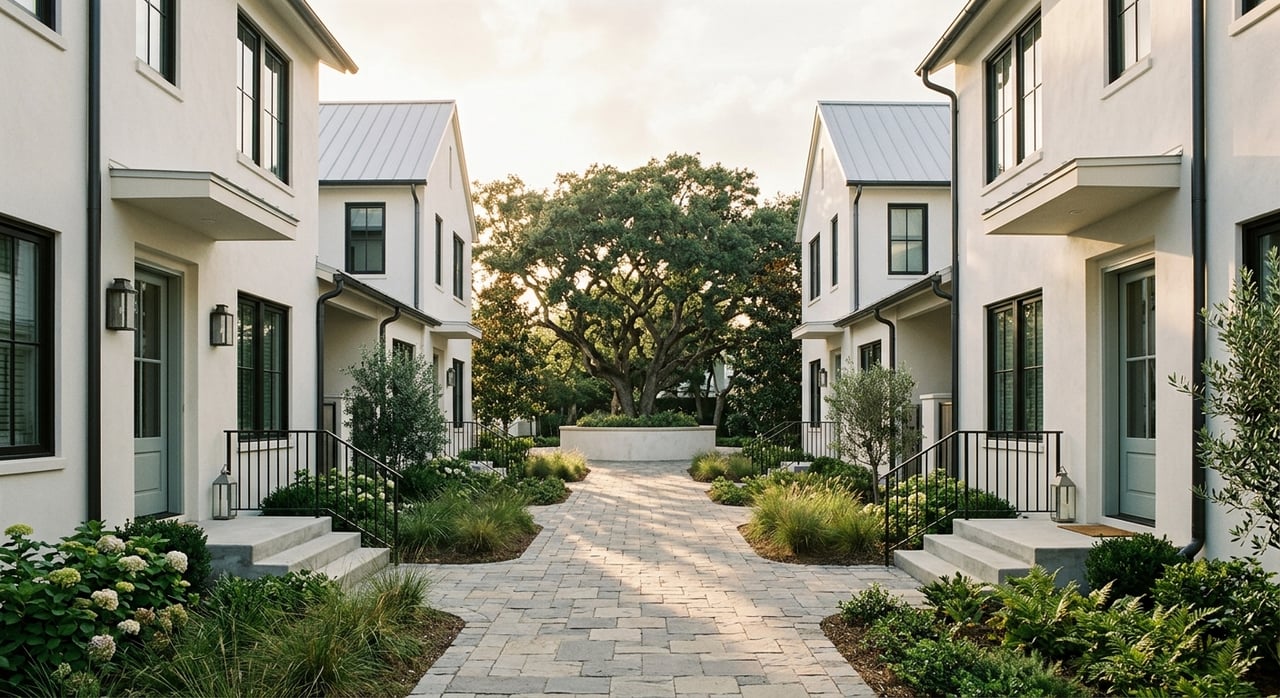
- Infill blocks and newer townhomes. Recent construction or new townhome clusters where older buildings have been replaced or renovated.
Lifestyle and amenities
- Walkability and nightlife. You can expect more dining, arts, and cultural venues within a short walk or quick drive compared to inland areas.
- Bay access and recreation. You are closer to marinas, parks, and waterfront paths, which is ideal if you enjoy boating, paddleboarding, or sunset walks.
- Commute and transportation. Drives to downtown offices are shorter, though the main arterial used as “the Trail” can be busy during peak times. Local bus routes and bike lanes may be options in some corridors.
- Noise and activity. The tradeoff for convenience is more street activity and occasional event noise. Yards may be smaller than in suburban neighborhoods.
Housing you will see
- High-rise and mid-rise condos across a range of vintages, from older buildings to newer construction.
- Small-lot single-family homes and historic bungalows, including some mid-century styles.
- Townhomes, duplexes, and modern infill homes.
- Bayfront luxury properties and smaller bay-view condos.
Buyer due diligence checklist
Buying near the bay and downtown is a lifestyle choice, but it comes with practical checks. Use this list to stay ahead.
Market and pricing
- Prices and inventory move with the market. For current data, rely on local MLS reports or the Sarasota Association of Realtors. Avoid assumptions based on last season’s headlines.
Flood risk and insurance
- Many areas close to Sarasota Bay fall within FEMA flood zones. Check FEMA flood maps and Sarasota County floodplain layers for the specific parcel.
- Ask for elevation certificates when available, and speak with insurance agents about flood insurance options through the NFIP or private carriers.
- Consider long-term sea-level rise and storm surge exposure in your decision.
Zoning, historic rules, and permitting
- Confirm zoning, any historic overlays, and permitting rules with the City of Sarasota before planning a teardown, addition, or new build.
- Some neighborhoods have architectural or historic requirements that affect renovations and timelines.
HOA and condo financials
- Request condo documents early, including budgets, reserves, rental policies, and recent meeting minutes.
- Older buildings can face sizable special assessments for structural or roof work. Review financials closely.
Parking and storage
- Parking can be limited in dense or historic blocks. Verify deeded spaces, guest parking, and applicable city rules.
Schools and services
- If schools matter to you, consult Sarasota County Schools boundary maps for current assignments. District lines can change.
Financing considerations
- Some lenders apply stricter criteria for condos, especially older buildings or those with high rental ratios. Get preapproved and confirm building eligibility early.
Environmental and lifestyle factors
- Proximity to event venues and nightlife can raise noise levels at certain times. Visit the area during day and evening.
- Salt air near the bay can increase exterior maintenance and HVAC wear over time.
Steps to start your search
Map first, then visit. This simple method keeps your tours focused.
Identify which road the listing means by “Trail.” Ask the listing agent, or match the listing’s location to a map so you can see the reference line clearly.
Highlight properties on the bay or downtown side of that road. This helps you compare true “West of Trail” options across different listings.
Prioritize your short list by property type, walkability, and flood zone status. Then schedule tours during daytime and evening.
Touring checklist
Bring this list to each showing and update it after your neighborhood drive.
- Verify which side of which road the listing uses to define “West of Trail.”
- Check the parcel’s flood zone and request elevation information and any known flood history.
- Confirm parking: number of deeded spaces, guest options, and nearby public parking.
- Ask for HOA or condo documents, reserve studies, and recent or upcoming assessments.
- Walk the area to assess noise, walkability, access to parks, marinas, and grocery stores.
- Confirm school zones and typical commute times to your regular destinations.
Who to consult
- A local real estate agent who knows downtown Sarasota and bayfront properties.
- City of Sarasota planning and building departments for zoning and permits.
- Sarasota County Property Appraiser and County GIS for parcel details, lot lines, and plat information.
- Flood insurance agents and FEMA resources for flood risk and coverage options.
- A lender experienced with Florida condos if you are considering a condo purchase.
Tools and data sources
- Sarasota Association of Realtors and the local MLS for current listings and market reports.
- Sarasota County GIS and the Property Appraiser for parcel and assessment details.
- City of Sarasota planning and zoning maps for overlays and permitted uses.
- FEMA flood maps and Sarasota County floodplain resources for flood designations.
- Walkability and transit tools, SCAT route maps, and standard mapping apps for commute checks.
- Local media coverage for neighborhood news and planned development.
Ready to explore?
If “West of Trail” fits your lifestyle, you will find a mix of walkable amenities, bay access, and a variety of housing options. The key is to pair the lifestyle you want with smart due diligence on flood zones, condo financials, and zoning. With focused guidance, you can move from curiosity to a confident offer.
For tailored tours, neighborhood mapping, and relocation support, reach out to Michelle Silva. We can help you compare buildings and blocks, review flood and condo documents, and align your search with your goals. Prefer to prepare first? Download our Sarasota Relocation Guide and start planning your move.
FAQs
Is “West of Trail” the same as bayfront?
- Not necessarily. It signals the bay or downtown side of a referenced road. Some properties are on the water, while many are simply closer to the bay.
Will I need flood insurance near the bay?
- Possibly. Many properties close to Sarasota Bay are in FEMA flood zones. Check FEMA maps for the parcel and consult insurance carriers.
Is it noisy because it’s near downtown?
- Some blocks are busier and livelier. Noise varies by street, so visit at different times to gauge activity levels that fit your comfort.
Are there good parking options in this area?
- Parking can be limited in denser or historic blocks. Verify your deeded spaces and guest parking rules before you buy.
How do I confirm a listing’s “West of Trail” claim?
- Ask the listing agent which road defines “the Trail” and view the property on an interactive map like MLS, Google, or County GIS to confirm its location.